


-

Add: HeBei ShengShi HongBang Cellulose Technology CO.,LTD.
-

Email
13180486930@163.com -

CONTACT US
+86 13180486930


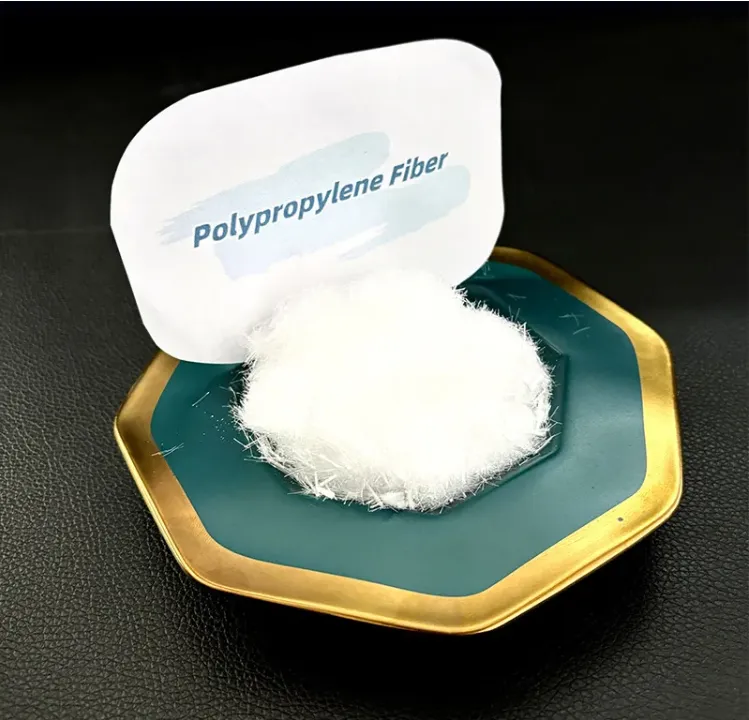
Le Polypropylène Un Acteur Clé dans l'Industrie des Matériaux Le polypropylène, un polymère thermoplastique issu de la polymérisation du propylène, est devenu un matériau incontournable dans diverses industries. Il est largement utilisé en raison de sa polyvalence, de sa légèreté, et de sa résistance aux produits chimiques. Son utilisation s'étend des emballages aux textiles, en passant par les composants automobiles et les biens de consommation. Propriétés du Polypropylène Le polypropylène se distingue par plusieurs propriétés qui en font un choix privilégié pour de nombreuses applications. Tout d'abord, ce matériau est exceptionnellement résistant à la chaleur, ce qui le rend adapté à des environnements où d'autres plastiques pourraient fondre ou se déformer. De plus, il présente une excellente résistance aux chocs, une durabilité qui lui permet de résister à un usage intensif, et il est également imperméable à l'eau, ce qui le rend utile pour les produits ayant des besoins de résistance à l'humidité. Une autre caractéristique remarquable du polypropylène est sa légèreté. Cela permet de réduire le poids des produits finaux, ce qui est particulièrement avantageux dans l'industrie automobile où chaque kilogramme économisé peut améliorer l'efficacité énergétique des véhicules. Enfin, le polypropylène est recyclable, ce qui est essentiel dans une époque où la durabilité et la réduction des déchets sont des préoccupations majeures. Applications du Polypropylène produsen serat polipropilen Les applications du polypropylène sont vastes et variées. Dans le secteur de l'emballage, par exemple, il est utilisé pour fabriquer des films d'emballage, des containers et des bouteilles en plastique. Sa résistance à l'humidité et aux produits chimiques le rend idéal pour les matériaux d'emballage alimentaires, contribuant ainsi à prolonger la durée de conservation des produits. Dans l'industrie textile, le polypropylène est utilisé pour fabriquer des non-tissés, des vêtements, et des tapis. Sa capacité à être teint et à conserver sa forme en fait un choix idéal dans la mode et le design d'intérieur. De plus, dans le secteur automobile, le polypropylène est utilisé pour des pièces intérieures, des panneaux de porte et des composants structuraux, offrant une combinaison de légèreté et de robustesse. Avantages Environnementaux L'un des avantages les plus significatifs du polypropylène est sa recyclabilité. De nombreux pays ont mis en place des systèmes de collecte pour encourager le recyclage des plastiques, y compris le polypropylène. En repensant notre approche de l'utilisation des plastiques, nous pouvons contribuer à la réduction des déchets plastiques dans les décharges. De nombreuses entreprises se tournent vers des matériaux recyclés pour produire de nouveaux produits en polypropylène, favorisant ainsi une économie circulaire. Conclusion En somme, le polypropylène représente un matériau essentiel dans le monde moderne. Sa combinaison unique de propriétés, sa légèreté, sa résistance et sa recyclabilité en font un choix idéal pour une multitude d'applications. Alors que le monde continue de se concentrer sur la durabilité et l'innovation, le polypropylène est bien positionné pour jouer un rôle de leader dans le développement de solutions matérielles durables et efficaces. L'avenir du polypropylène semble prometteur, tant pour les producteurs que pour les consommateurs, dans un monde où les choix de matériaux durables sont de plus en plus déterminants.
- 40000tons

Production
- 20+years

Experience
- 5000+㎡

Acreage

-

Understanding Polyolefin Fibers Properties, Applications, and Advantages Polyolefin fibers, derived from polyolefin resins, have become an integral part of various industries, ranging from textiles to automotive and construction. Polyolefins, primarily polyethylene (PE) and polypropylene (PP), are polymers characterized by their versatility, lightweight nature, and resistance to chemicals and moisture. This article delves into the properties, applications, and benefits of polyolefin fibers. Properties of Polyolefin Fibers Polyolefin fibers exhibit a range of properties that make them suitable for different applications. One of their most notable characteristics is their resistance to moisture and chemicals. Unlike natural fibers, polyolefin fibers do not absorb water, making them ideal for use in damp environments. This resistance also contributes to their longevity, as they are less prone to mildew and deterioration. Another significant property is their lightweight nature. Compared to other synthetic fibers, polyolefin fibers are less dense, which offers convenience and ease of handling, especially in textile applications. Furthermore, these fibers have excellent thermal stability, remaining effective across a broad temperature range. Their low melting point, however, requires careful handling during processing and manufacturing. Polyolefin fibers are also renowned for their tensile strength and flexibility. These attributes not only enhance their durability but also allow for a variety of weaving and knitting techniques, leading to diverse fabric textures and styles. Additionally, they exhibit colorfastness, which means that dyes and pigments adhere well to the fibers without fading over time—a crucial factor for textile manufacturers. Applications of Polyolefin Fibers The versatility of polyolefin fibers has led to their widespread adoption across various industries. In the textile sector, polyolefin fibers are commonly used to produce non-woven fabrics, geotextiles, and various clothing items. Their moisture-wicking properties make them particularly popular in activewear and athletic apparel, where breathability and comfort are paramount. fibre de polyoléfine In the automotive industry, polyolefin fibers are utilized in interior components such as seating, carpeting, and insulation. Their lightweight nature contributes to overall fuel efficiency, aligning with industry trends toward sustainability. Additionally, the fibers impart excellent sound insulation properties, leading to a quieter ride for passengers. Polyolefin fibers are also gaining traction in the construction sector. Their resistance to moisture and chemicals makes them ideal for applications in roofing, insulation, and protective coverings. Furthermore, the fibers can be incorporated into concrete to improve its tensile strength, durability, and resistance to cracking. Advantages of Polyolefin Fibers The advantages of using polyolefin fibers are numerous and compelling. First and foremost, they offer excellent cost-effectiveness. As one of the most produced synthetic fibers globally, polyolefins are readily available and can be manufactured at a lower cost compared to other materials. Additionally, the sustainability aspect of polyolefin fibers is gaining attention. While traditional plastics pose environmental concerns, the recycling and reuse potential of polyolefins can mitigate some of these issues. Many polyolefin products are now being designed with recyclability in mind, contributing to a more circular economy. Another significant advantage is the low maintenance required for polyolefin-based products. Fabrics made from these fibers are easy to clean, resistant to stains, and retain their original properties even after multiple washes. This reduces the need for harsh cleaning products, further supporting environmental sustainability. In conclusion, polyolefin fibers present a wealth of benefits that cater to various industries, from textiles to automotive and construction. Their unique properties, such as chemical and moisture resistance, lightweight nature, and long-term durability, make them an attractive option for manufacturers looking to innovate and optimize their products. As sustainability continues to gain importance in material selection, the role of polyolefin fibers is likely to expand, paving the way for more eco-friendly and efficient solutions in the future.
-
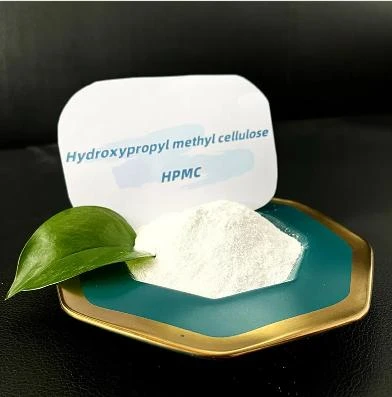
The HPMC USP monograph serves as a critical benchmark for hydroxypropyl methylcellulose (HPMC) in pharmaceutical and other applications, setting the standards for quality and consistency. As one delves into the application and significance of this monograph, it becomes evident that understanding these guidelines is essential for ensuring product efficacy, safety, and consistency. Hydroxypropyl methylcellulose, also known as hypromellose, is a derivative of cellulose that is widely used across various industries, predominantly in pharmaceuticals, due to its unique properties. The USP (United States Pharmacopeia) monograph for HPMC provides a detailed framework that specifies the identity, purity, concentration, and quality control tests necessary for this compound. Adhering to these specifications is paramount for companies to maintain compliance and earn consumer trust. One of the fundamental roles of the HPMC USP monograph is its utility in pharmaceutical formulations. HPMC is extensively utilized as a controlled release agent, film former, and binder, making its purity and performance integral to the drug delivery mechanism. Companies following the monograph's guidelines can assure practitioners and patients of the drug's integrity and performance reliability. The monograph specifies parameters such as viscosity, which can affect drug release rates and bioavailability, thereby influencing therapeutic outcomes. From a professional's perspective in the pharmaceutical industry, the expertise in utilizing HPMC is not only a matter of technical know-how but also of adhering to the stringent regulatory environment. The monograph provides a trusted reference that can guide formulation scientists in creating safe and effective products. For instance, in creating enteric coatings, understanding the solubility changes and interactions stipulated in the monograph can lead to superior design and functionality of oral dosage forms. hpmc usp monograph Experience with HPMC underscores the importance of comprehensive analytical testing as outlined by the USP. Real-world application and case studies demonstrate the necessity of rigorous testing for parameters such as pH levels, consistency under various environmental conditions, and absence of impurities to avoid adverse reactions or diminished efficacy. Laboratories implementing these controls inevitably foster a culture of safety and precision, elevating their credibility and authority in the market. The authoritativeness established by the USP in its monograph is undeniable . The monograph not only embodies a consolidated repository of scientific research and consensus but also reflects a regulatory standard acknowledged internationally. Pharmaceutical companies and research institutions rely on the precision and reliability that the USP monographs guarantee, often using these standards as a foundation for internal quality systems. Trustworthiness is a highly valued attribute, particularly in sectors like pharmaceuticals where HPMC finds extensive applications. Adherence to the USP monograph ensures that products containing HPMC meet the legal and quality benchmarks required to gain trust from stakeholders, including regulatory bodies, consumers, and healthcare practitioners. This adherence is a testament to a company’s commitment to quality, safety, and consumer protection. In conclusion, the HPMC USP monograph is not just a regulatory requirement but a crucial part of product development and assurance in industries reliant on this versatile polymer. By ensuring adherence to the specifications mentioned therein, companies can deliver reliable, safe, and effective products, thereby gaining a competitive edge and fostering trust across global markets. For any entity looking to leverage HPMC in their products, familiarity with the USP monograph is not merely advisable but essential for sustained success and credibility in the industry.
advantages
-

200000 Viscosities
Excellent product
We can produce pure products up to 200,000 viscosities
-

40000 tons
High yield
We don’t stop production all year round, and the annual output can reach 40,000 tons
-

24 hours
Quality service
We provide 24-hours online reception service, welcome to consult at any time
———— Inquiry Form
Schedule A services
-
 steel_fibers_used_in_concrete
Oct . 25, 2025
Hebei ShengShi HongBang Cellulose Technology Co., Ltd., located in the Xinji Provincial Clean Chemic -
 hydroxypropyl_methyl_cellulose_in_supplements
Oct . 25, 2025
Gypsum, a vital component in the construction industry, is transformed through various additives to -
 china_hpmc-hydroxypropyl_methyl_cellulose
Oct . 25, 2025
The evolution of modern construction materials has positioned starch ether as an indispensable compo


